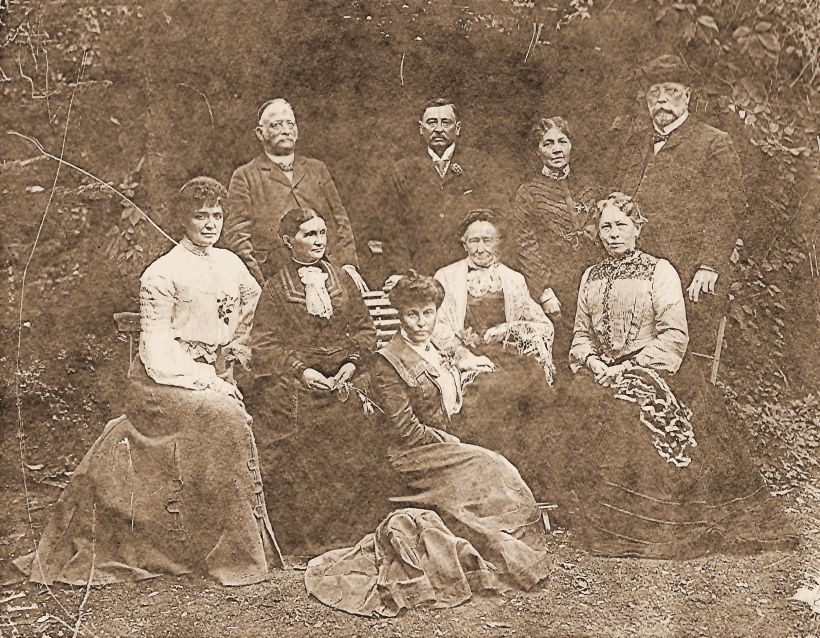
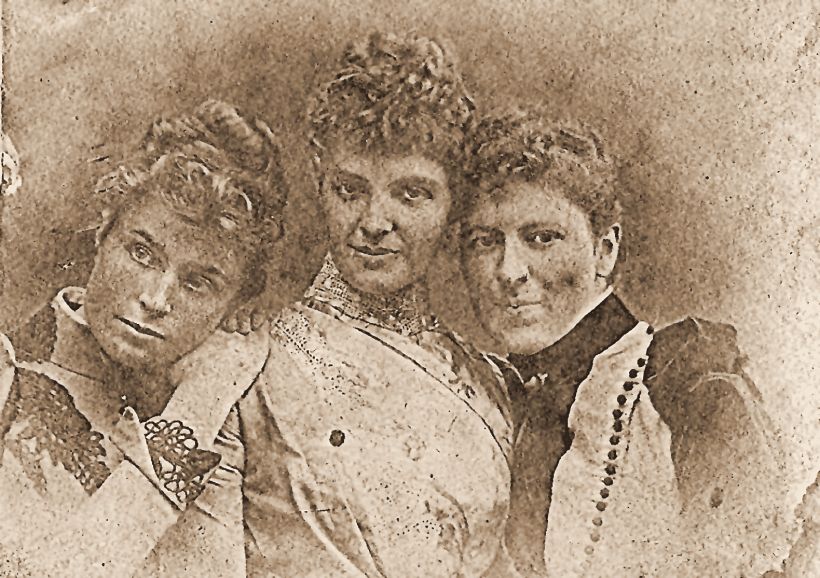
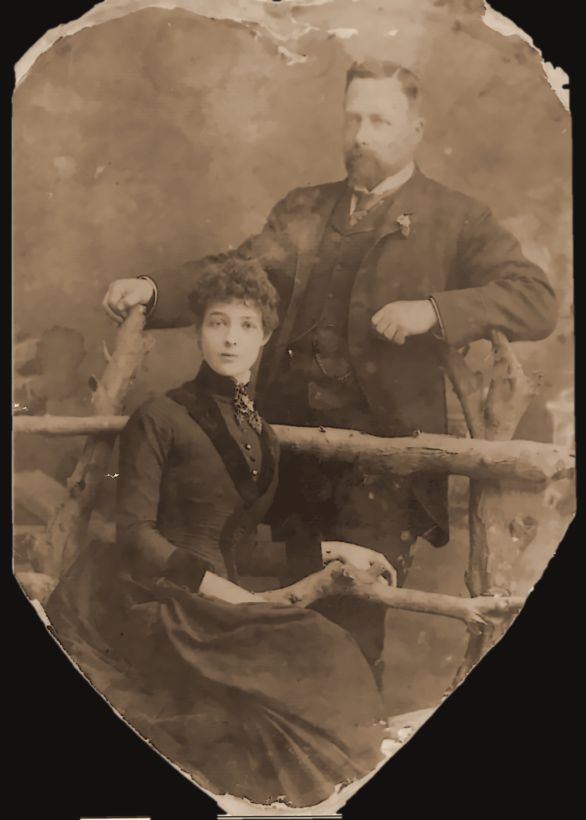
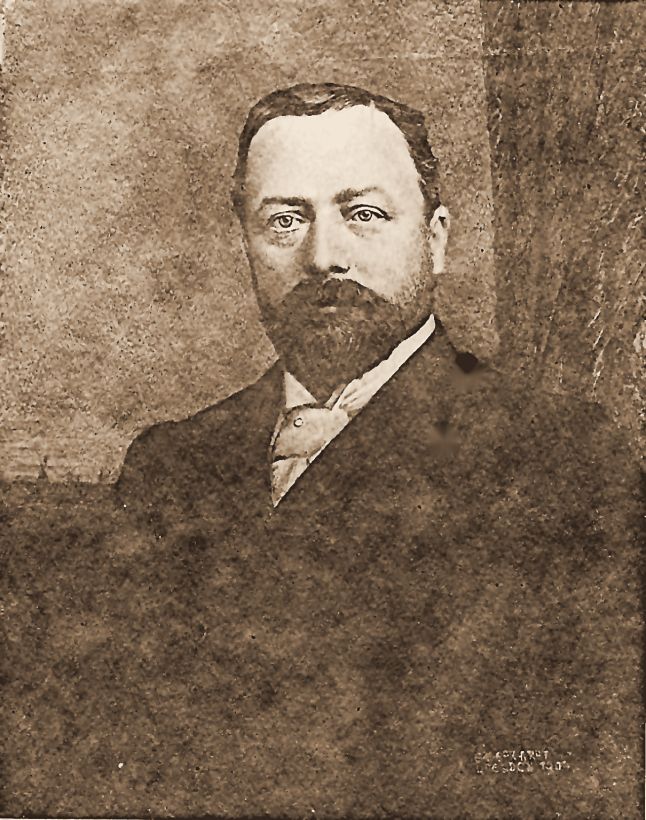
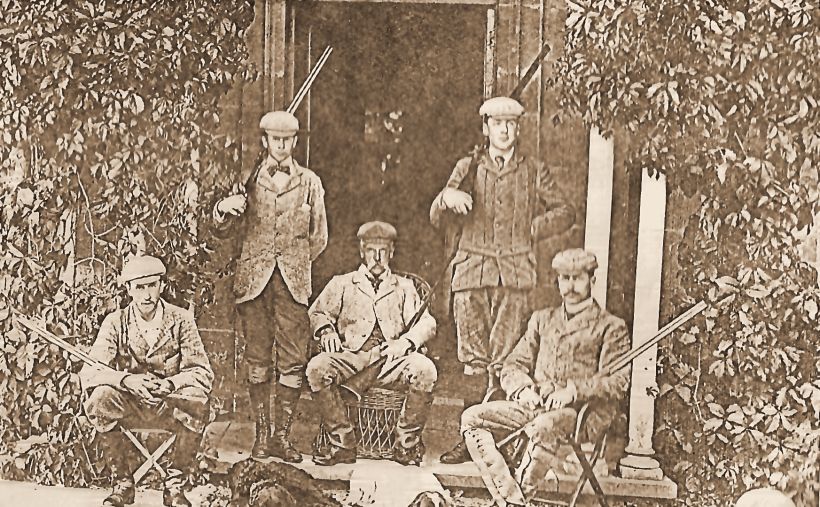
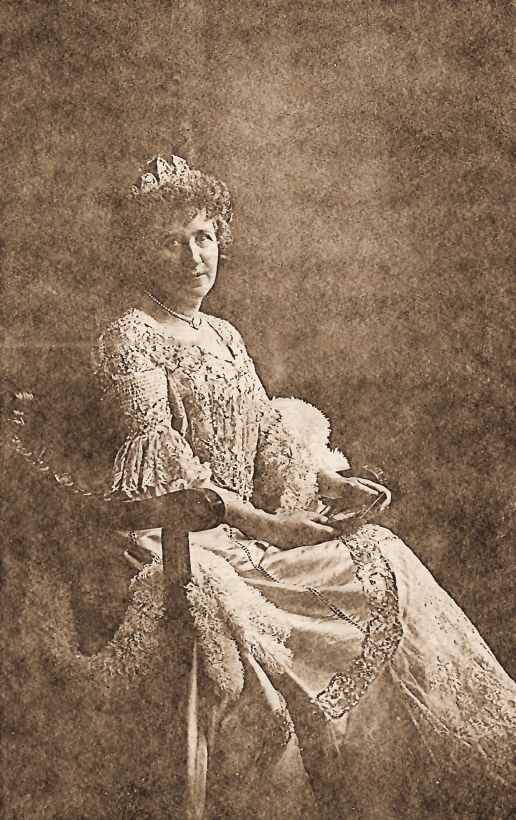
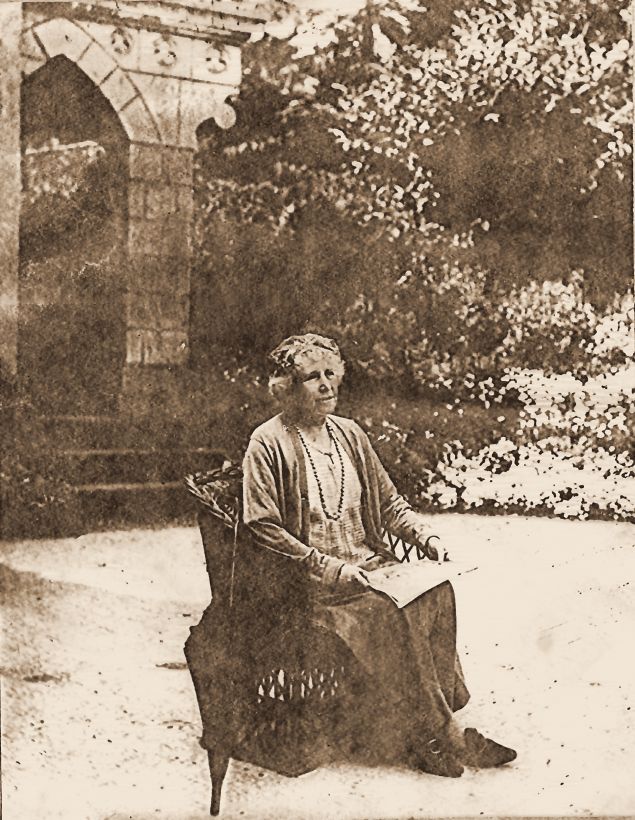
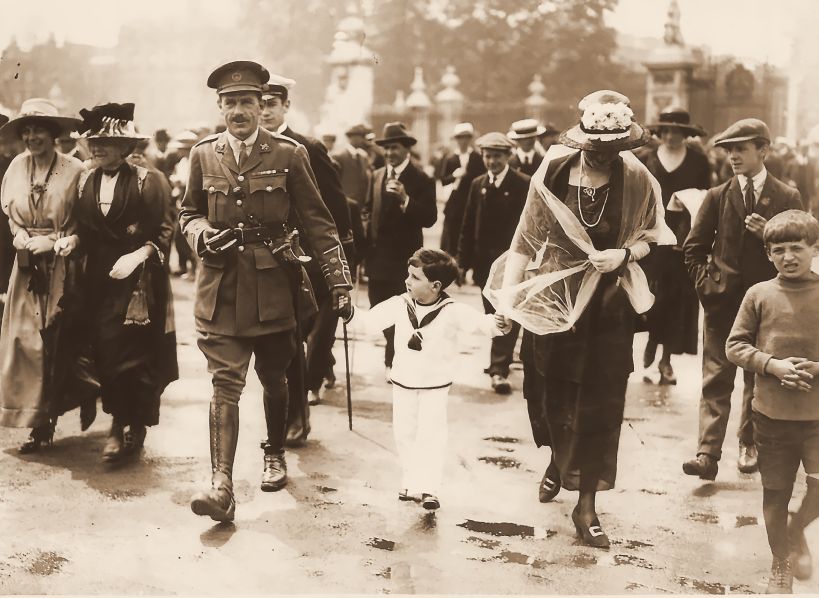
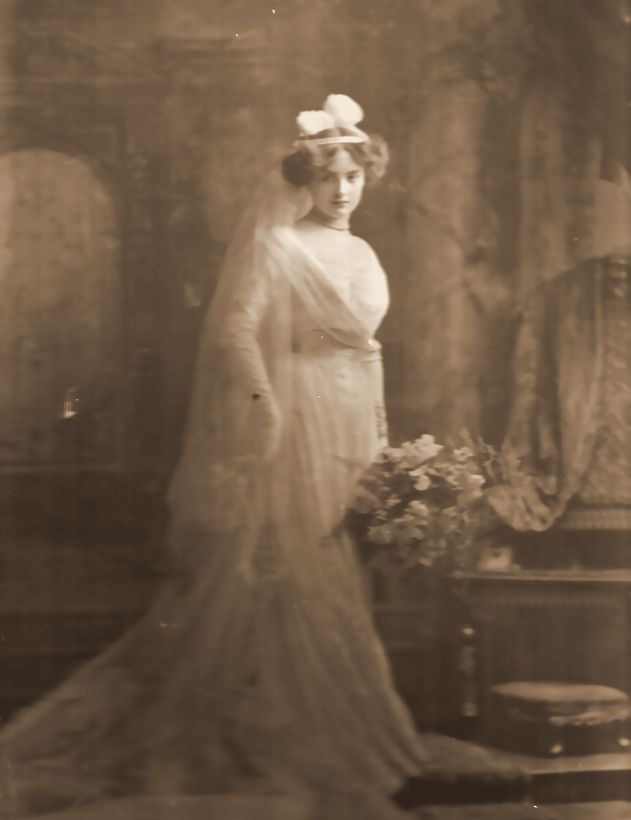
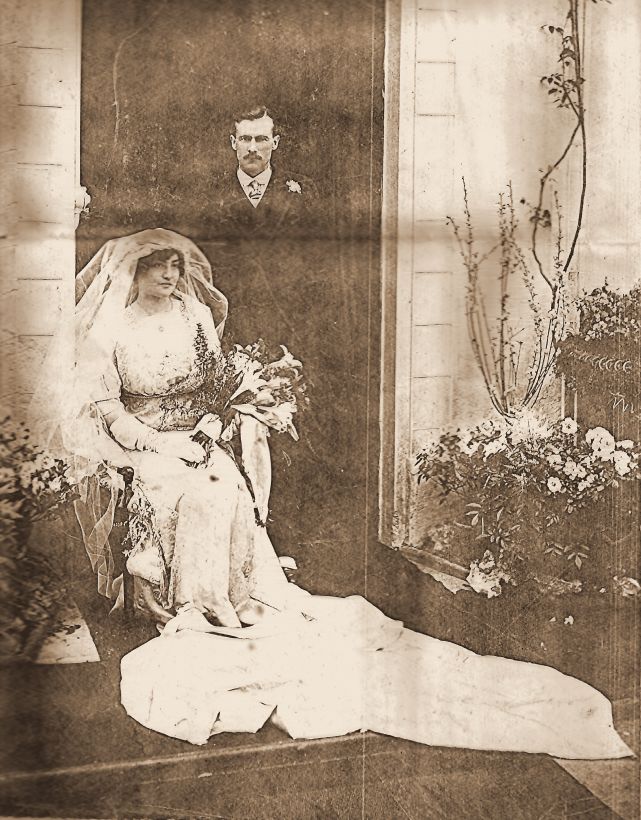
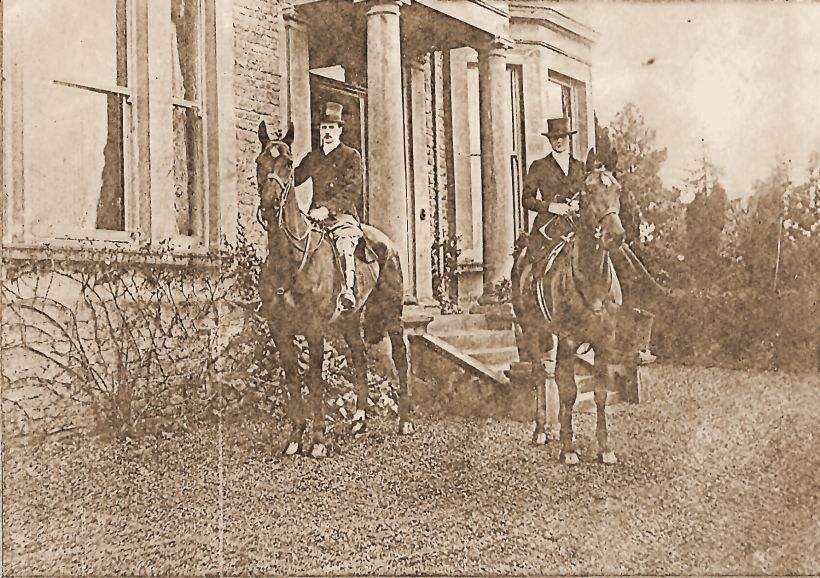
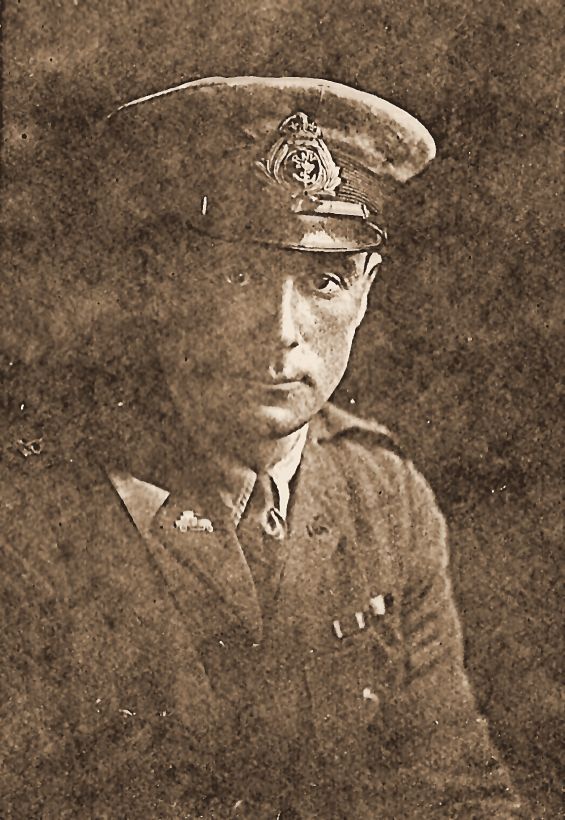
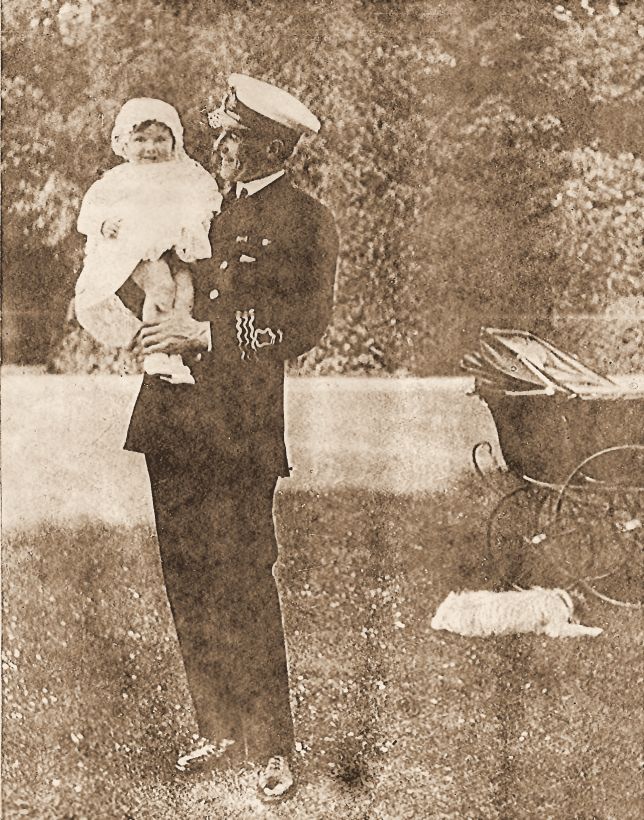
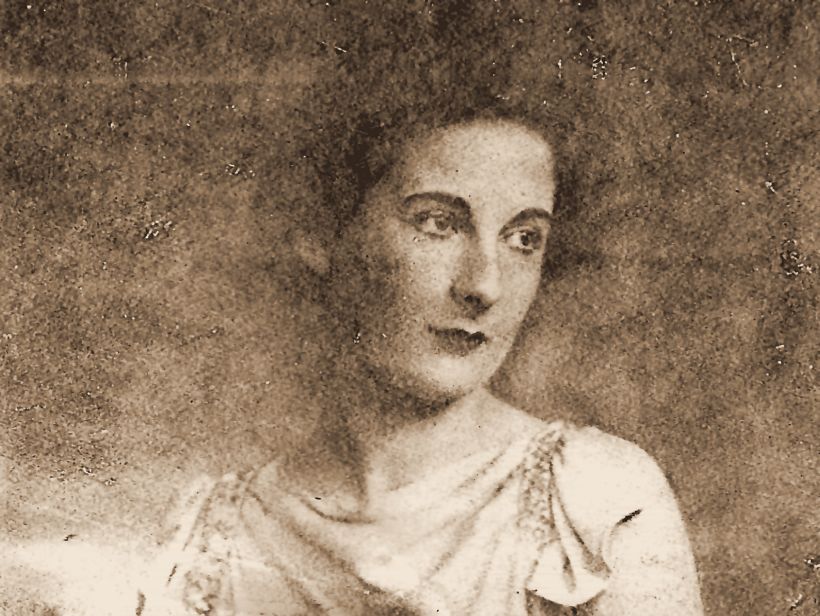
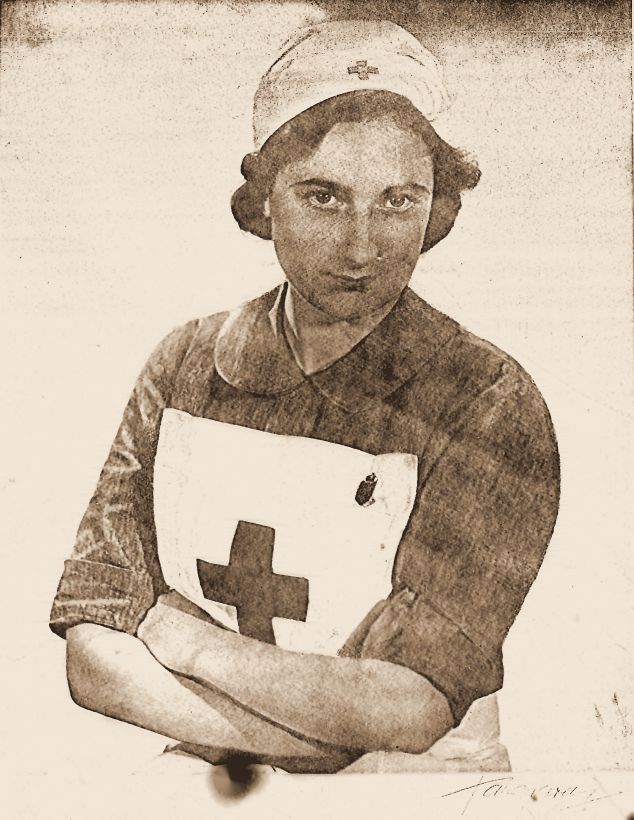
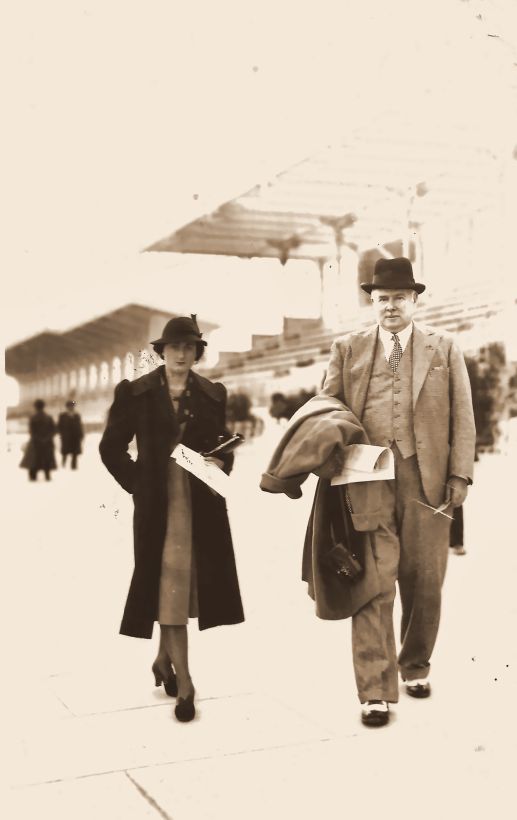
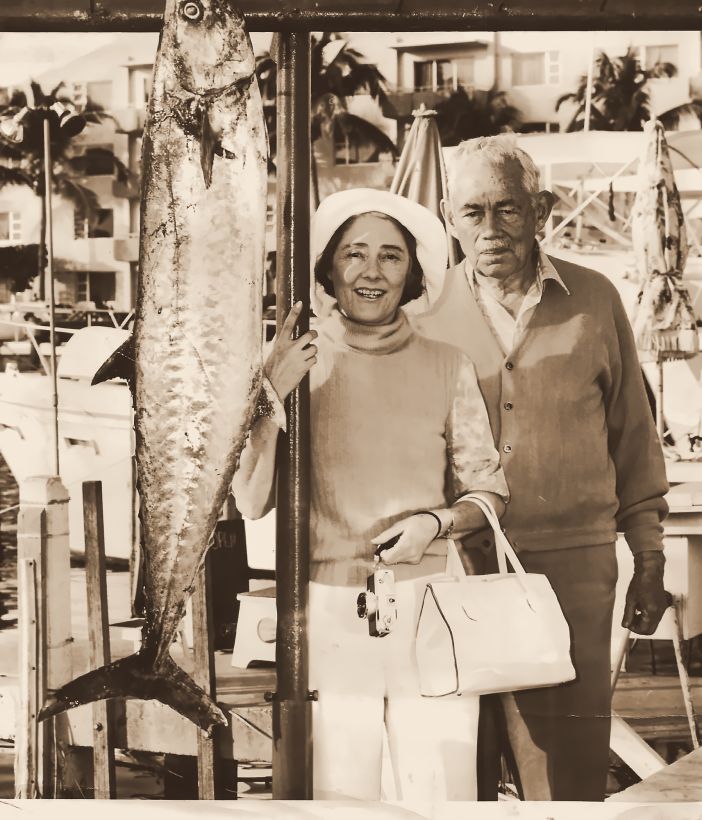
YOUR GRANDFATHER HAROLD BANNING RICHARDSON (I will refer to him as Banning throughout) AND HIS FAMILY.
As far as I know the Richardsons arrived in Canada in the first half of the 19th century. The family came from St Mary's Isle in Kirkcudbright in Southwest Scotland.
Banning's great-grandfather, James Richardson (born 1801) was a Government shipping agent in Liverpool, England. One of his brothers, also a shipping agent, was based in Livorno (Leghorn) Italy. James married Louisa Sophia Clark (born 1812) in Halifax, Nova Scotia in 1832.
Halifax was an important seaport town in a very Scottish part of Canada; no doubt his work there was in connection with the shipping agency.
The Richardsons had six children born at Studley House, Halifax, the youngest of whom was James Banning Richardson born on the 23rd of November, 1843. His parents, James and Louisa, travelled to England sometime between 1843 and 1844, taking their baby with them. James Richardson died in 1844 in Birkenhead, which is a suburb of Liverpool. After her husband died Louisa returned to Canada with James Banning.
The boy was educated in Halifax, going on from school to King's College. He took Holy Orders in the Episcopal Church, eventually becoming a minister. As a mature clergyman he was in charge of a fine parish in London, Ontario, where he remained for the rest of his life and became an archdeacon. It is said that he could have become a bishop, but that he preferred to stay in his parish.
He would go to England from time to time to preach in order to raise money for the poorer Canadian parishes. This period is detailed in the records of his church where he was much admired.
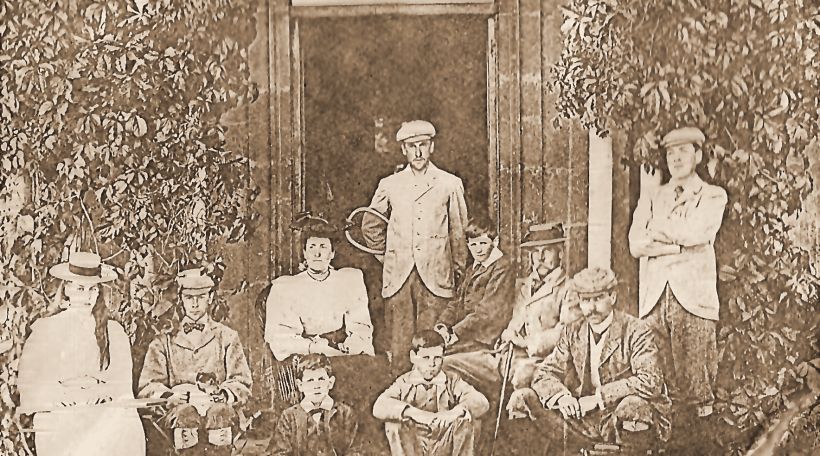
He married a widow, Mary Jane Hartshorne, who had one son from her previous marriage. They had eight children; four sons and four daughters. The first three were born in Dartmouth, Nova Scotia, one in Hamilton, Ontario, and four in London, Ontario.
Banning's grandmother Mary's family name was Tremaine. Some of her ancestors had come to Canada from Devon and some as Loyalists from the United States after the Revolutionary War. The latter were given grants of land by the Canadian government. The first family member to have received a grant was a Colonel Boggs whose wife, Mary Morris, was from New Jersey and Philadelphia.
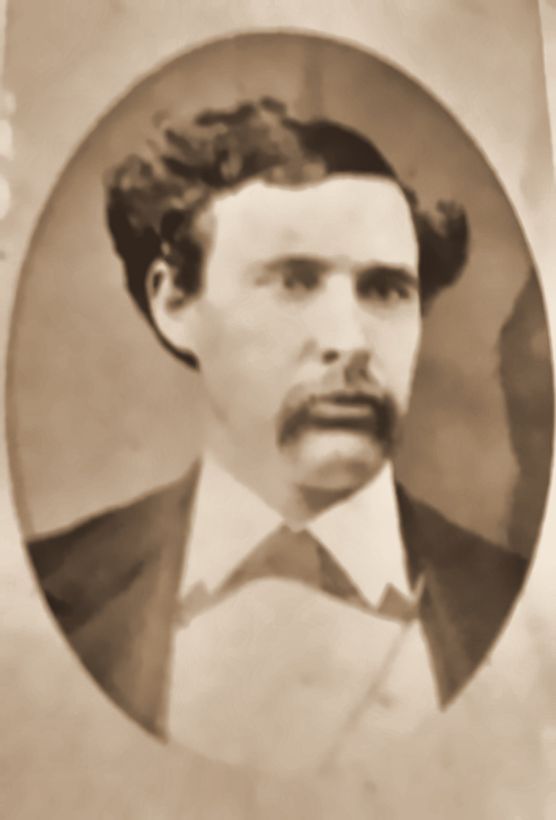
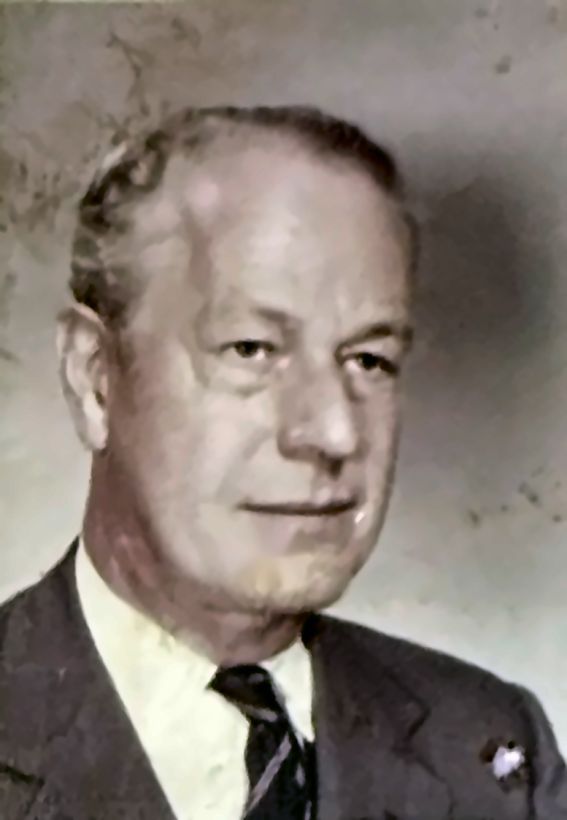
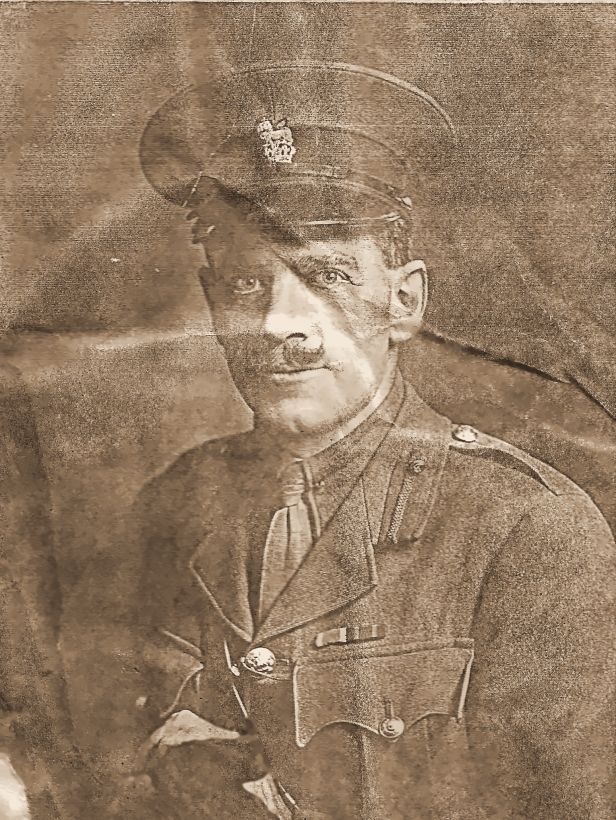
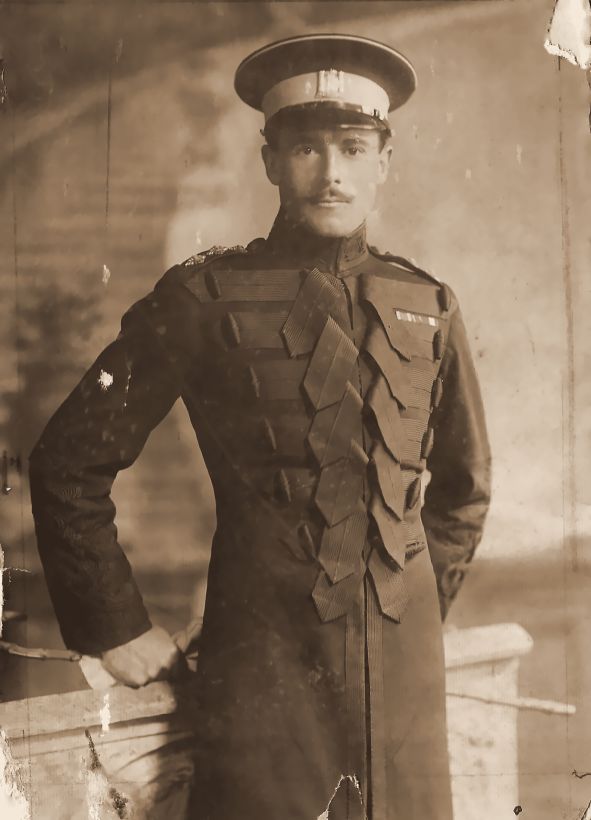
Harold Ashton, your great grandfather, was the second son (I will refer to him as H.A.R.). He joined the Bank of Montreal and was sent to Toronto, where he roomed with a well known Canadian humorist, whose name I have forgotten.
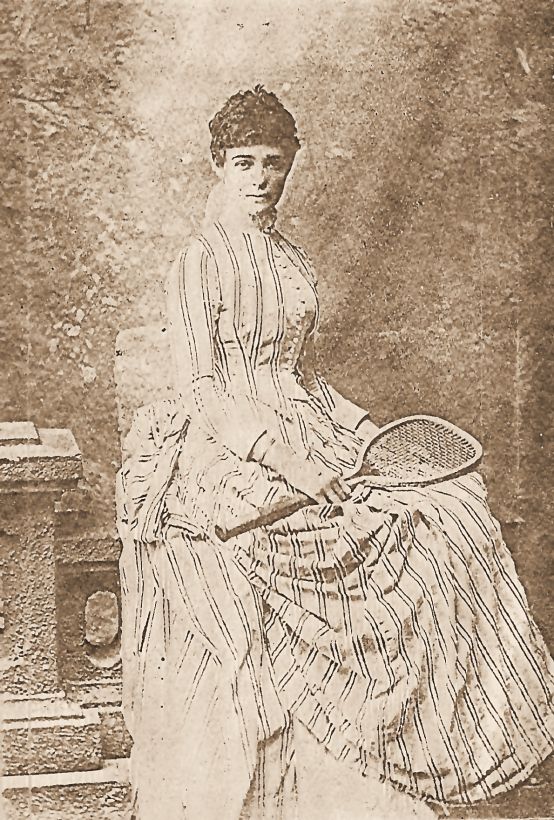
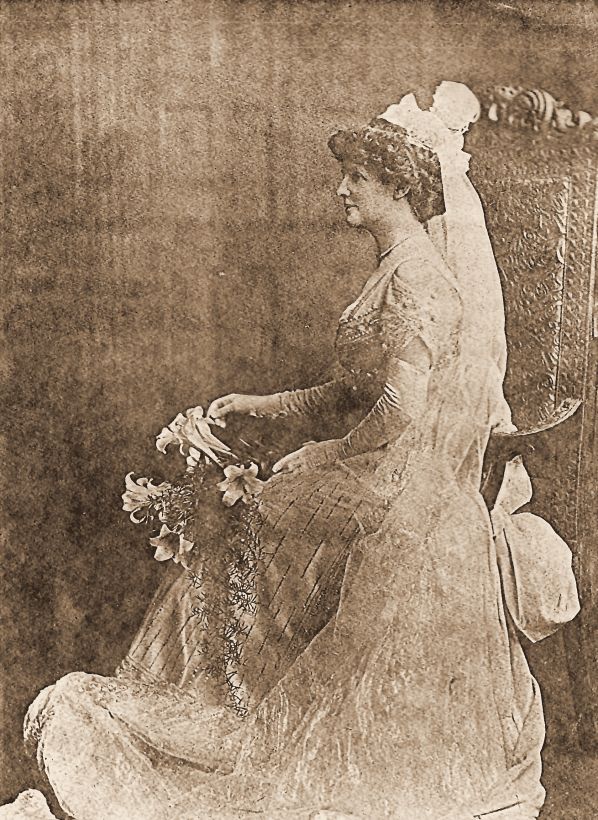
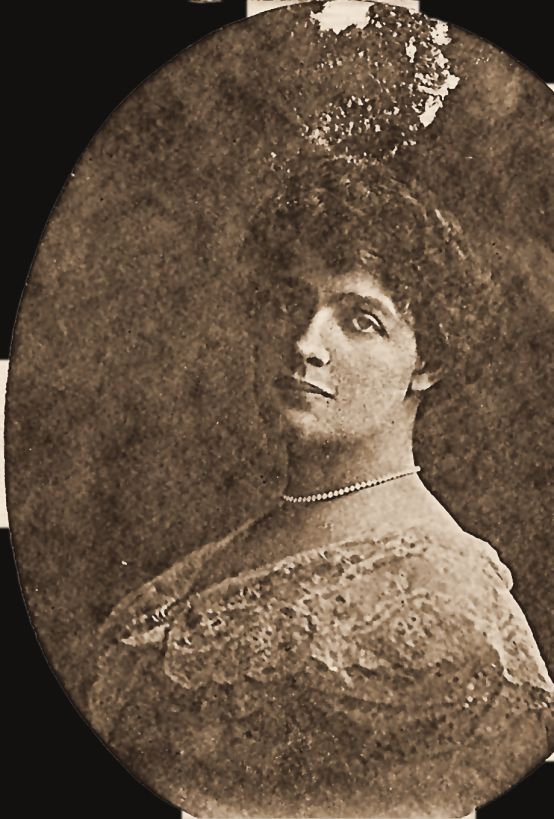
After a while he decided that he had better prospects in the United States. In Chicago he met Marion Ogden, a much courted heiress, and joined the throng of young men who vied for her interest. She was a very good looking girl and remained so all her life, having a very upright carriage and fine eyes. She had travelled in Europe with her mother and while in Paris had been painted by a well known artist, Benjamin Constant. He was also painting the Princess of Wales and had painted a portrait of Queen Victoria.
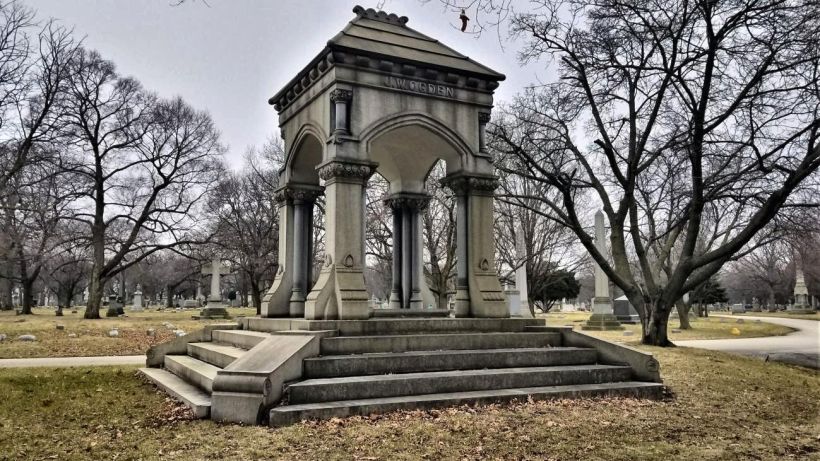
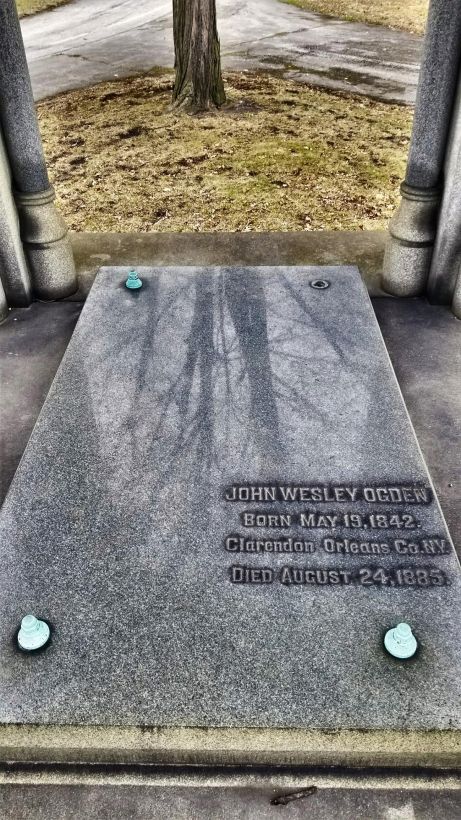
Marion was the daughter of the late John Wesley Ogden and Anna Barker, whose father had been a partner of Pullman. Whereas Pullman made passenger cars, Barker made box cars which brought the cattle from the prairies to the stock yards of Chicago, as well as corn and other goods to that growing city.
Marion's mother and her stepfather, Frederick Austin, were not too keen on this young man from Canada as a prospective son-in-law, but H.A.R. took the initiative and followed them when they, all three, went on a world tour. He made himself indispensable, judging from the diary that Marion kept of the voyage to Egypt and to India. He took charge of the travelling details and had the "red carpet" out for them at all the stopping places. He became impatient with the lack of progress in his marriage prospects so he had a cable sent to himself, supposedly from the firm of bathroom fittings that he was representing, recalling him to America. This brought matters to a head, and Marion's parents finally gave their consent, and a wedding was arranged. This took place in Calcutta Cathedral. Her stepfather gave her away, but her mother would not attend the ceremony.
The Viceroy of India lent the young couple his rail car to carry them to the rail head for Darjeeling where they were to spend their honeymoon in the hills.
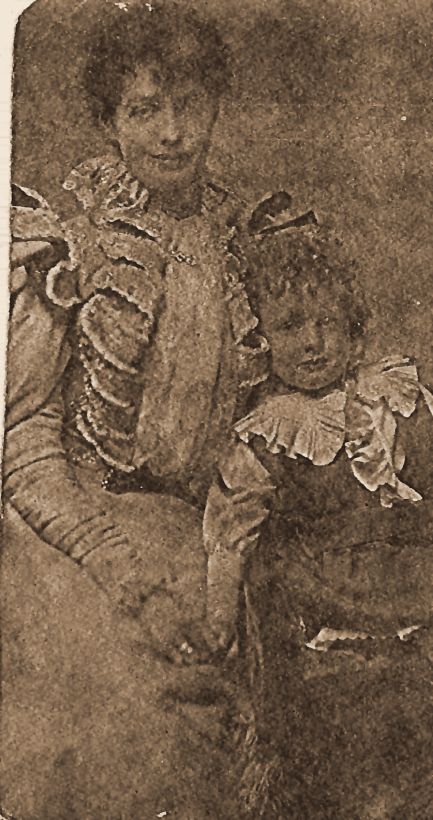
On their return to the United States, they settled in Santa Barbara, California where their daughter, Barbara, was born, followed later by a son, Ogden Barker. They soon moved to England where Banning and Mariana were born.
H.A.R. hoped to interest the British Navy in a patent he held for extra strong tooled steel for armour plating. The inventor of the process was a German. H.A.R. was hoping that Winston Churchill, as First Lord of the Admiralty, and also with his American connections, would be interested, but the Admiralty turned him down. He held other patents, but seemed unable to market them. He also dabbled in politics and the stock market. He stood for Parliament in the north of England as a Conservative. His Canadian citizenship gave him the right to stand in England, but he was unsuccessful.
He went to Norway to fish for salmon and while there he was sold short on the stock exchange. Marion's mother insisted that they return to the United States where a trust was created, and from then on H.A.R. had less financial freedom.
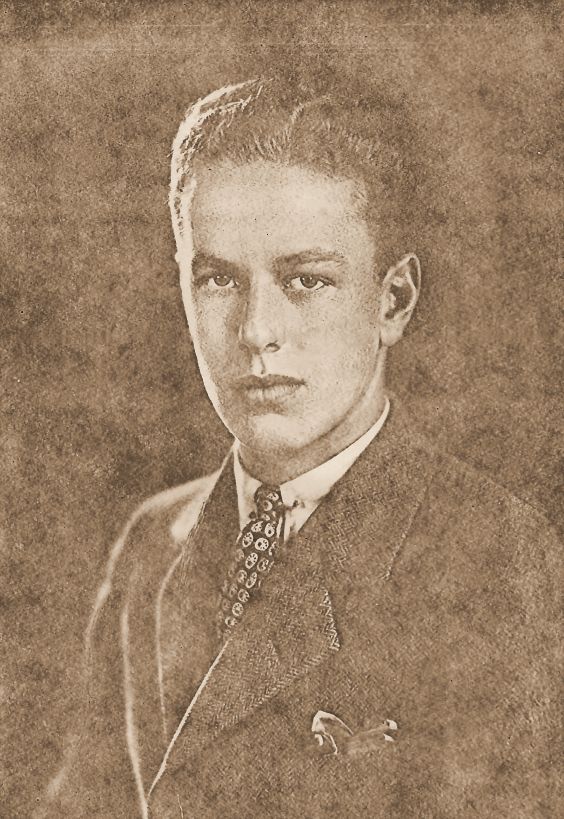
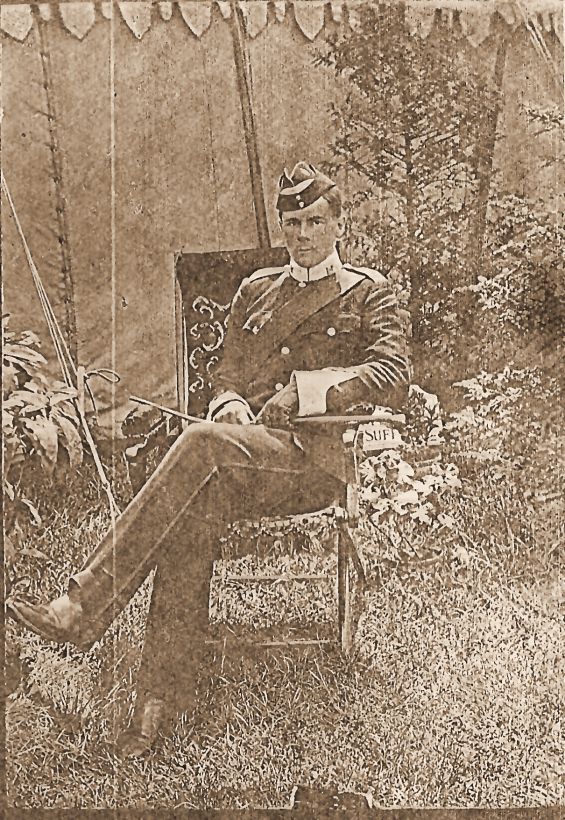
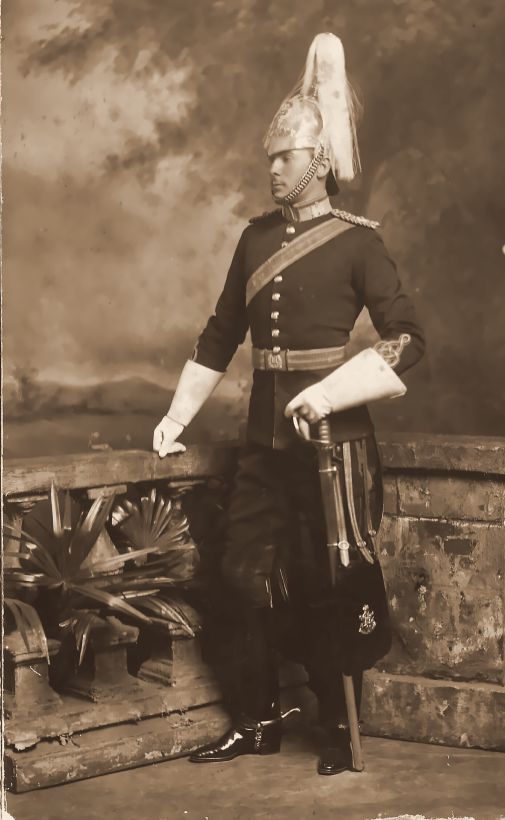
The family settled in South Carolina not far from Augusta, Georgia. World War I broke out and H.A.R. threw himself into fund raising pageants and other projects. He was a natural showman. Banning went to prep school in Aiken, South Carolina. He was interested in sports: tennis, swimming and horsemanship. He then went on to Lawrenceville School in New Jersey, and on to Princeton where he obtained a first class degree. The only break in his schooling came after a serious car accident in Canada. His brother was driving a group of young people when the car went off the road. Banning was thrown out. He tried to help a girl passenger before he passed out with a badly fractured head. He was operated on in Montreal by the leading brain surgeon of the day, Dr. Wilder Penfield, and slowly recovered. His mother, who had been constantly at his bedside, decided to take him to see a psychic healer in New York. She was interested in seances, and this man had told her that her son had a growth on his heart which was impeding his recovery and which could be removed by psychic healing. Ogden's wife, a determined and imperious young woman from Montreal, disrupted the seance, calling the medium a fraud.
From Princeton, Banning went to Cambridge which he thoroughly enjoyed, making many friends and mixing his time there with social life in London.
He received a Bachelor of Arts degree and wished to go out east to study Asian countries and religions. Cambridge had a mission in Delhi, evangelical, educational, and medical. So, Banning was able to start with a job as lecturer at St Stephen's College, one of India's premier colleges, at that time located in old Delhi, within the city gates.
The salary was not large, but Banning was able to take the job because his godmother and cousin had always given him an annual monetary gift as she had to his brother and sisters. This enabled him to travel more and later to marry.
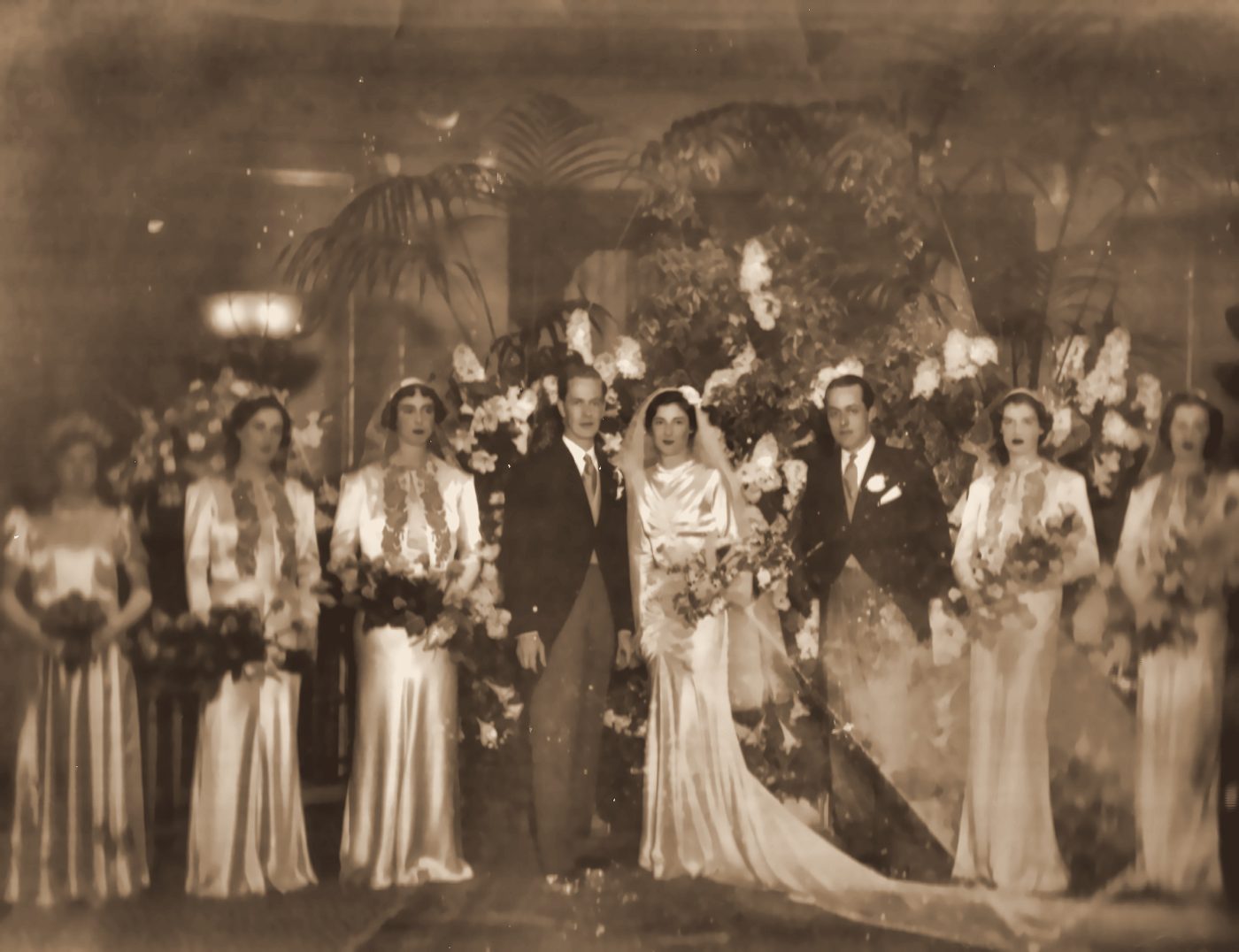
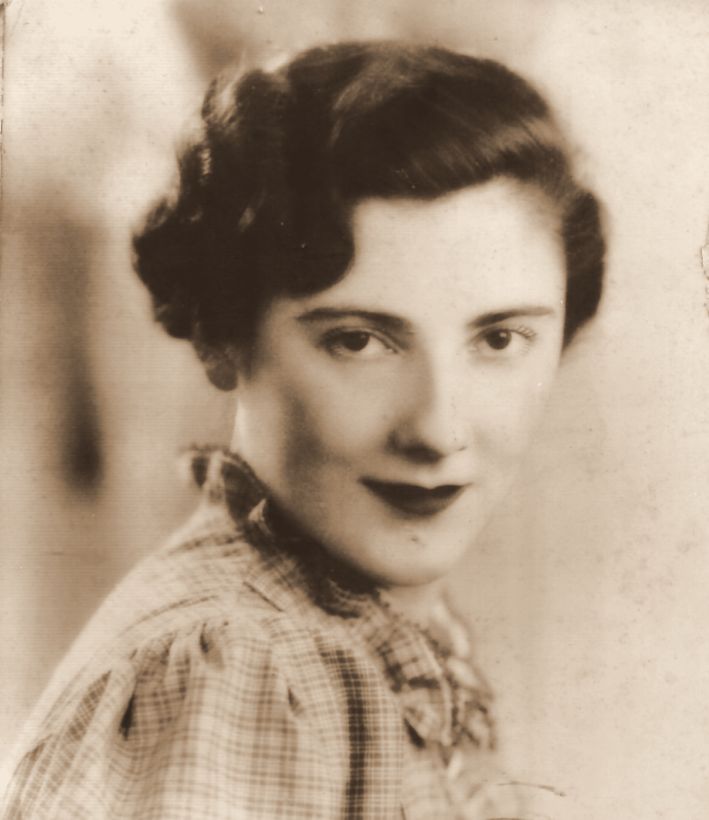
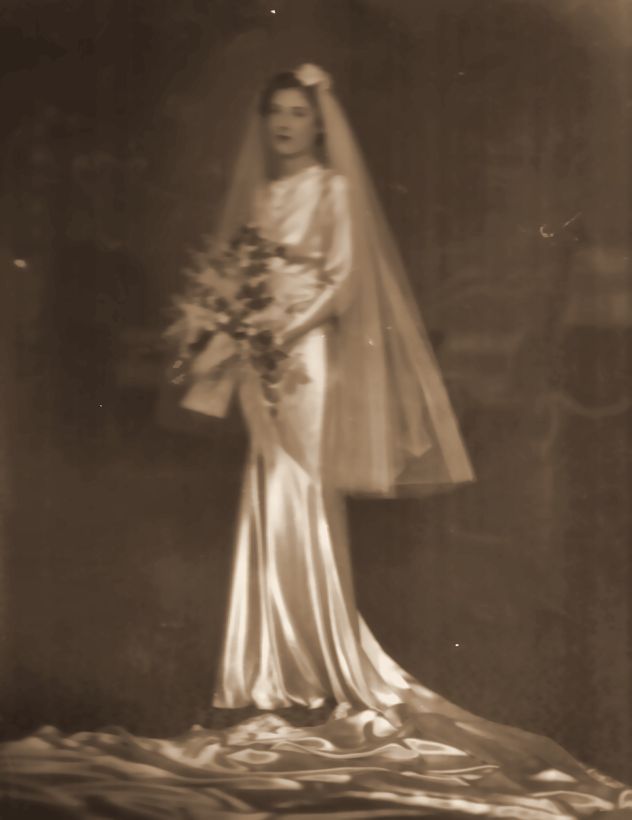
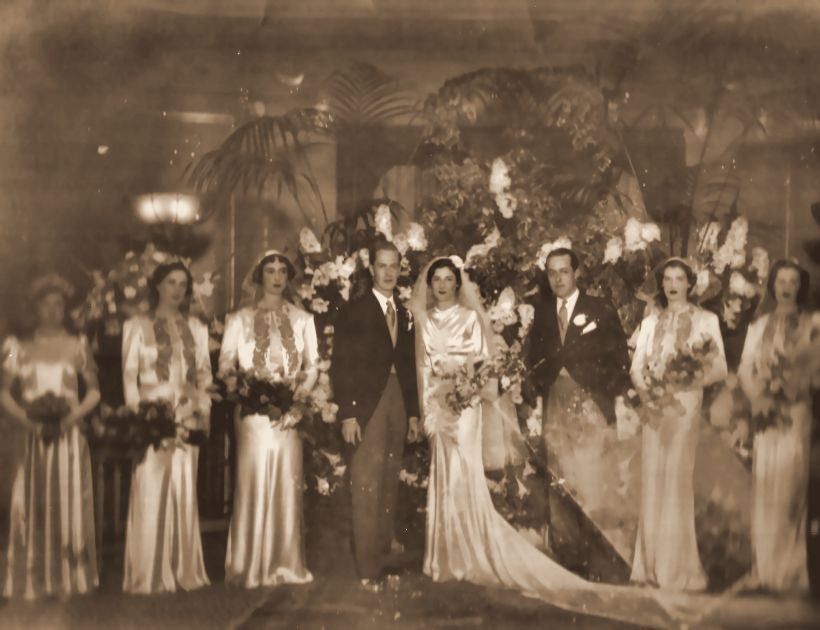
Banning and your grandmother, Diana, met during his last year at Cambridge and again when he passed through England on his way to and from Canada on vacation from India. They became engaged early in 1937. His family wanted them to wait a year, because his parents had already visited England that spring, but he finally persuaded them, and the wedding took place on July 27th of that year. His family arrived in full force for the wedding in London. The ceremony was performed by two of his spiritual advisors from Cambridge: his college mentor the Reverend Alec Vidler and Dean Wynn, who later became the Bishop of Ely.
Banning enjoyed his years at St Stephen's. He had a following among the students. He was certainly more outgoing than most of his colleagues and was interested in their lives.
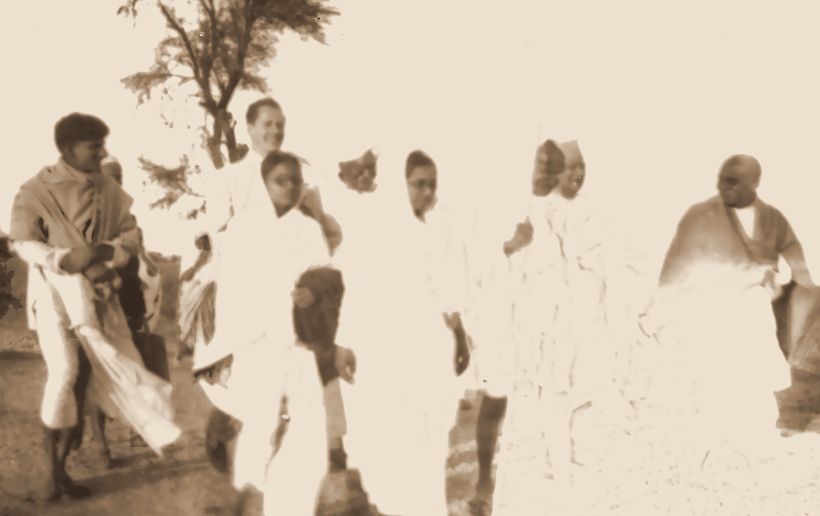
He became interested in adult education, seeing that for India's future this would be very important. He helped to found, with another colleague, an "All India Adult Education Society" to tap into the independent efforts being made throughout India on that subject. His admiration for Mahatma Gandhi, who was interested in this work also, inspired him.
Banning did not know that his contract with St Stephen's would be terminated in 1939, but he did obtain another post at Government College Lahore in the Punjab. The family went to England for a few months where Joanna was born near Cambridge. Then they travelled to Lahore where they lived for two years and where their son, Raymond, was born December, 1939.
During the second summer in Lahore their son died of pneumonia. At the same time Banning was offered the job of Principal of Holkar College in Indore State in Central India, a college affiliated with the University of Agra. This came about through the efforts of two of his old students whose father was the Prime Minister of the State.
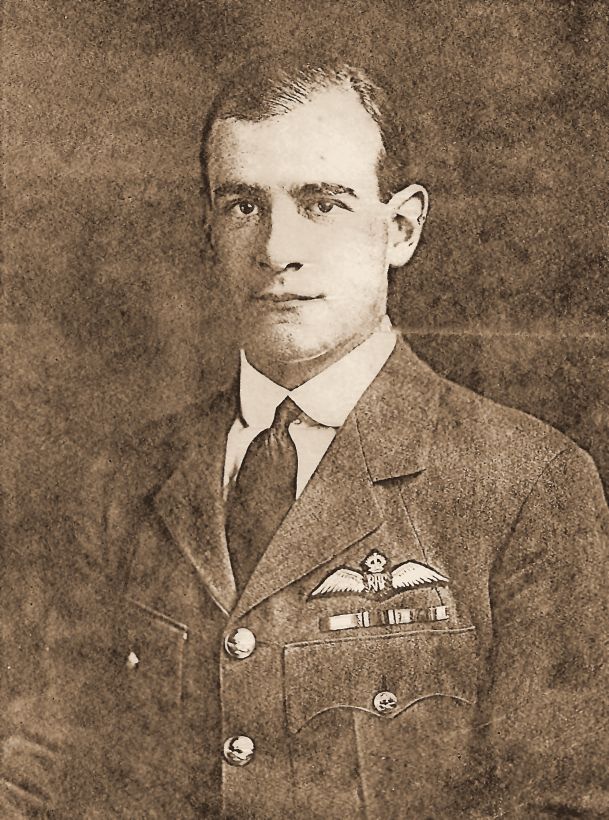
World War II had broken out in 1939. Banning had registered as a British citizen, and was told that he would not be called up, because his work in India was deemed important. His brother Ogden joined the Canadian Black Watch.
Banning loved his job in Indore where both Rhea and Sarah were born. He was put in charge of education, becoming Education Minister after he had found a successor for his job as principal for Holkar College, Dr. John Raju, an old colleague. This turned out to be a bad appointment as Raju became a divisive element and was not a good financial administrator; another man had to be found.
The Maharaja of Indore was in his thirties and had had part of his education at Oxford. He had faith in Banning's ability. The state was ahead of many similar states in agriculture, medicine and education. When the Maharaja went to the U.S. in the middle of the war to obtain a divorce from his first American wife, he put a regent in his place. The man, also a Mahratta, from a neighboring but smaller state, was something of a rogue. Banning, seeing that he would get no support for the various educational projects in his field of work, decided to reapply to the army and was then attached to the Department of Public Relations in Delhi. His previous head injury and a later knee injury precluded active service. While in Delhi, he edited and wrote for a newspaper for the troops in the S.E. Asia Command, which covered the Burma engagements.
The family spent two winters in Delhi, first in old Delhi and then in a borrowed house in New Delhi and then in a barracks for naval wives. Housing for families was in short supply.
At the end of the war in Europe, the Indian Government Minister of Defense, Sir Feroz Khan Noon, was sent to represent India at the conference to be held in San Francisco for the drawing up of the Charter for the founding of the United Nations. Sir Feroz needed an aide and asked for Banning to be temporarily released from the army in Delhi so as to join his staff. He knew of Banning's American connections. Banning had many friends in New York and again some in San Francisco, and this proved useful.
On his way back from the conference, Banning met the leader of the British Labour Party, Clement Attlee, and was able to obtain the promise of a constituency to fight for in the first post-war parliamentary election in England. The Liberal Party won the seat — an old Liberal seat, but Banning did well.
He returned to India and eventually to Indore after the Maharaja had asked for his release from the army. At this time, when India's independence was finally approaching, he became very interested in the political life of the Princely States. Several of the Princes hoped to get a better settlement with the Government of India, and Banning, ever optimistic, worked with his Maharaja's Government to this end, not realising that both the Viceroy and the Congress Party had no intention of allowing this to happen.
With independence, Banning's work in India ended. One of the early directives of the new Indian Government to the Princes was to tell them to dismiss their European advisors. His family had preceded him to England after they finally were successful in getting a passage on a troop ship sending families back to England.
They found a house not far from London, having first to rent one for a few months. Banning was writing a novel about India, but did not find a publisher, and therefore looked for a job. An old friend from India, who had long been in the pharmaceutical business, found a place for him, and they eventually moved to London. His interest in politics was as keen as ever. He left the Labour Party, because he disagreed with its policy of Government ownership of the coal and steel industries and railways, and joined the Liberal Party. He got permission from the firm to take leave to fight in the next election, and worked in the west of England. He did well, but not well enough. The Government fell within the year, so another election followed. This time the pharmaceutical firm would not allow him a second leave, so he joined a stockbroking firm. He did not win the seat.
During the time in London, he persuaded his father to allow his brother Ogden, who was having troubles with alcoholism, to come to London where Banning had discovered a doctor who owned a nursing home where he treated this problem with a new drug. Ogden agreed to take the treatment. While undergoing it, he met Phyllis Martin from Australia, who was one of the doctor's preferred nurses, and fell in love with her and married her. His parents, who came on their usual annual visit to England, were angry with him for not warning them of his plan to marry. The pressure induced him to return to drinking and again having to return for treatment.
Soon after this, his parents died in a car accident, and Banning decided that his family should move to Canada. His elder sister, Barbara, had lived in Quebec Province for many years, and his younger sister, Mariana, had a summer house nearby. He had several cousins in Toronto where we were going to live, because he was joining a stockbroking firm there. His three living aunts, his father's sisters, lived in Nova Scotia, Ottawa, and Toronto. They all welcomed him with open arms. They also offered interesting and often advantageous contacts in this country where he had never before had a permanent home.
Stockbroking was not a good environment for him. He was too romantic and optimistic for clear judgement and lacked a basic training in this field. This led to financial losses, which he hid, and into instability in which alcoholism played a major part. As you know his marriage broke up. Although he married again, it was a disaster and he became seriously ill and spent many years in a special nursing home. His godmother made this possible by setting up an account designated for his permanent care.
Your grandfather was a gifted man, a fine teacher who never found the same creative outlet in his later working life. Like many with histrionic ability, which often leads to politics, the church, teaching and the stage, his gifts were in that direction. He loved the theatre and took every opportunity to take part in it: from school and college, in amateur groups in India and in London, and also encouraged his daughters in this interest. He had, by worldly standards, a very advantageous start in life. His successes in school and in college were spectacular.
He had problems with his father who wished to control him; something his siblings, also, suffered from. H.A.R. would have liked his son to have been successful in business and in politics, and he gave him money to help his political aspirations. He did not like his working in India where Banning managed to make a life of his own choosing. Banning was a seeker then, for meaning in his life and in his work.
I have found it difficult to write this, but I felt that you wanted to know more about this grandfather whom you really rarely, or for some of you, never met, who was loved by many friends and family members.
The early family history I learned from hearsay and from research.
You have many Richardson cousins whom you may meet some day; interesting and active people. You belong to a big clan through your grandfather. His brother Ogden had two children by his first marriage: Andria, who died in the 1970s, and Gordon, who lives in Texas and runs an insurance business. He had two sons, Peter and Jamie, with his second wife, who live in Nova Scotia. His sister Barbara, who was an expert on early Canadian furniture, died in the late 1980s. His sister Mariana had two children in her first marriage. There are many other cousins descended from the sisters of H.A.R. One day your paths may cross with some of them.
I hope that this history fills some gaps in your knowledge of your ancestors, and particularly of your grandfather.